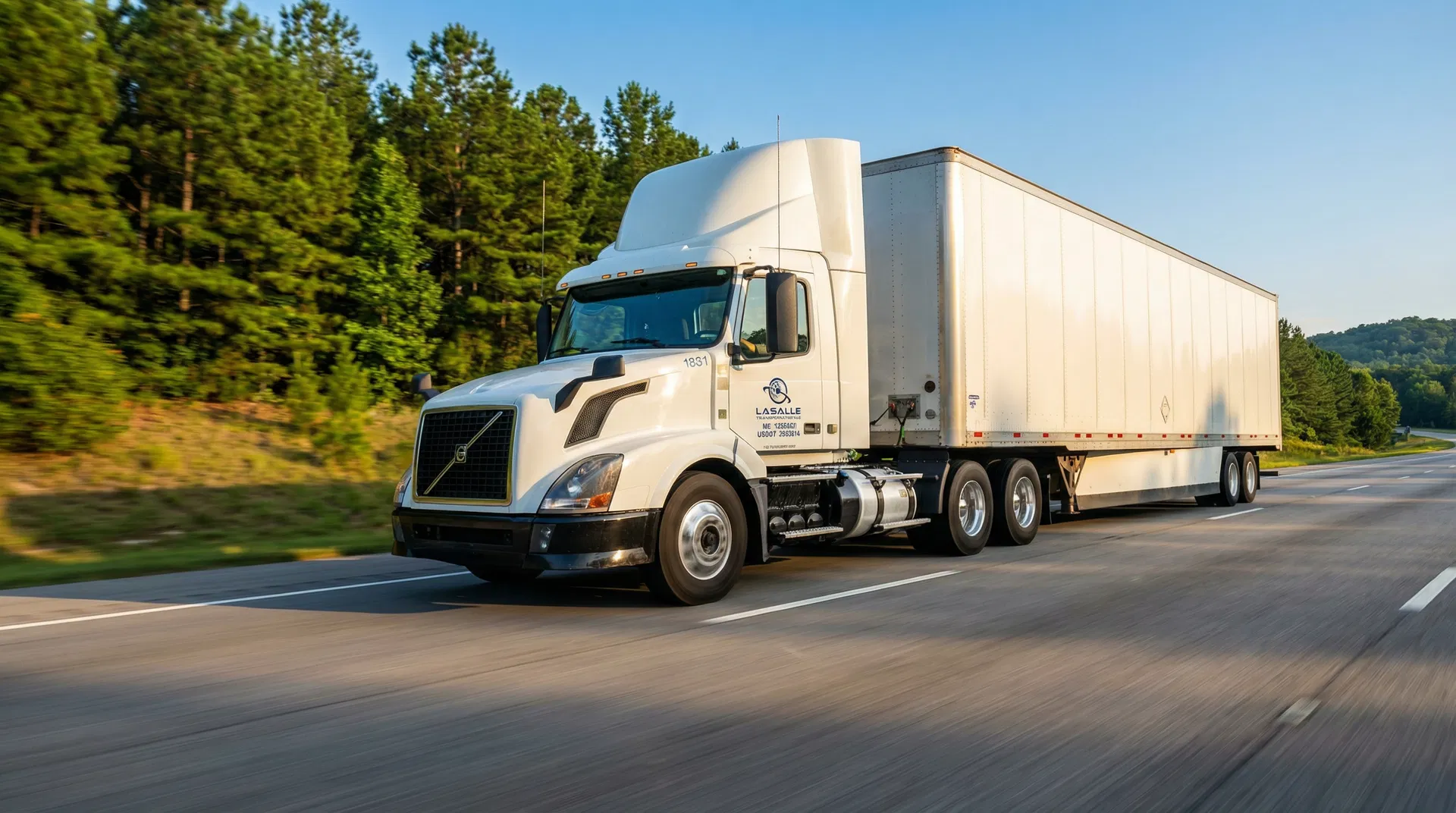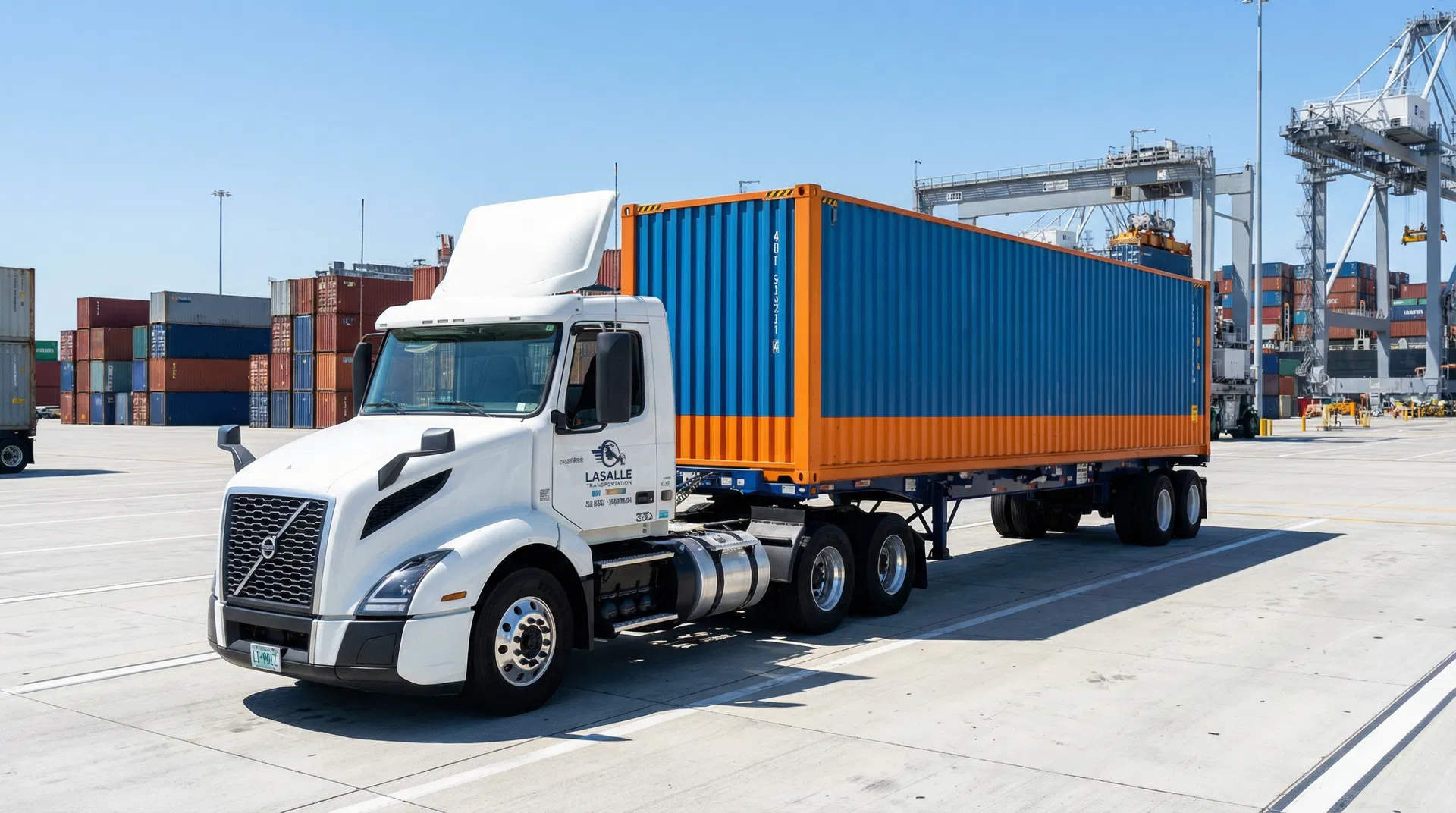
Intermodal freight transportation has become one of the most efficient methods for moving cargo across long distances in the Southeast United States. By combining the strengths of rail and road networks, intermodal shipping offers businesses a cost-effective alternative to traditional over-the-road trucking while maintaining the reliability and flexibility that modern supply chains demand.
At its core, intermodal transportation involves the use of standardized containers that can be seamlessly transferred between different modes of transport — typically from truck to rail and back to truck for final delivery. This approach eliminates the need to handle the freight itself during transfers, reducing the risk of damage and streamlining the overall shipping process.
Why Intermodal Makes Sense for Southeast Businesses
The Southeast United States is home to some of the busiest freight corridors in the country. With major ports in Savannah, Charleston, and Jacksonville, along with extensive rail networks operated by CSX and Norfolk Southern, the region is ideally positioned for intermodal transportation. Businesses shipping goods between Georgia, Alabama, South Carolina, Tennessee, and North Carolina can take advantage of this infrastructure to reduce costs and improve transit times.
One of the primary advantages of intermodal shipping is cost efficiency. Rail transport is significantly more fuel-efficient than trucking over long distances, which translates to lower per-mile shipping costs. For shipments traveling more than 500 miles, intermodal can offer savings of 10 to 40 percent compared to traditional dry van trucking.
How Intermodal Drayage Works
Drayage is the short-distance trucking that connects intermodal terminals to pickup and delivery locations. A typical intermodal shipment begins with a drayage carrier — like LaSalle Transportation — picking up a loaded container from a shipper's facility and transporting it to the nearest rail terminal. The container then travels by rail to a terminal near the destination, where another drayage carrier completes the final delivery.
Efficient drayage operations are critical to the success of intermodal shipping. Delays at terminals, missed appointments, or poor coordination can erode the cost and time advantages that intermodal offers. This is why working with an experienced drayage provider who understands the local terminal operations and freight corridors is essential.
The Role of Technology in Modern Intermodal
Modern intermodal operations rely heavily on technology for tracking, scheduling, and coordination. Real-time container tracking allows shippers to monitor their freight throughout the entire journey, from pickup to delivery. Electronic data interchange (EDI) and transportation management systems (TMS) streamline communication between shippers, carriers, and rail operators.
For businesses in the Southeast looking to optimize their supply chain, intermodal transportation offers a compelling combination of cost savings, environmental benefits, and reliability. As the region's freight infrastructure continues to grow and improve, intermodal will play an increasingly important role in how goods move across Georgia, Alabama, South Carolina, Tennessee, and North Carolina.
Partner with LaSalle Transportation
LaSalle Transportation LLC provides professional intermodal drayage services across the Southeast. Our team coordinates container pickups and deliveries with the efficiency and reliability your business requires. Contact Michael Moore at 404-200-4276 to discuss your intermodal transportation needs.