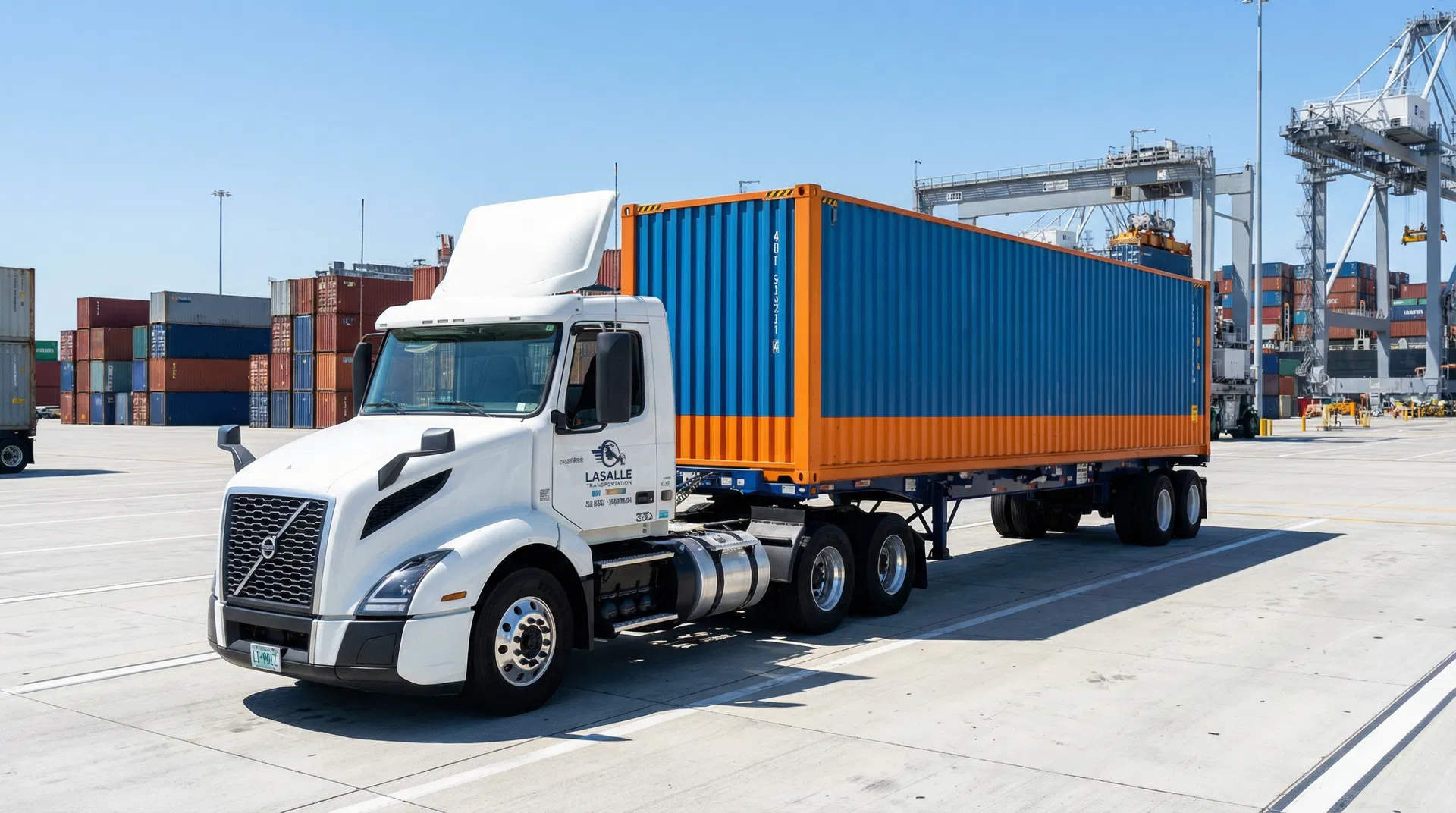
The Southeast United States has emerged as one of the most dynamic freight markets in the country. Driven by population growth, expanding manufacturing, and strategic port investments, the region continues to attract businesses and logistics operations at a remarkable pace. For transportation providers and shippers alike, understanding the trends shaping this market is essential for making informed decisions.
Georgia, Alabama, South Carolina, Tennessee, and North Carolina form the core of the Southeast freight corridor. Together, these states represent a diverse economic landscape that includes automotive manufacturing, food and beverage production, e-commerce fulfillment, and international trade through some of the nation's busiest seaports.
Population Growth and Consumer Demand
The Southeast has consistently been one of the fastest-growing regions in the United States. Cities like Atlanta, Nashville, Charlotte, Charleston, and Greenville have experienced significant population increases over the past decade, driving demand for consumer goods, building materials, and retail merchandise. This population growth directly translates to increased freight volumes as businesses work to keep shelves stocked and construction projects supplied.
Atlanta, in particular, serves as a major logistics hub for the entire region. Its central location, extensive highway network, and Hartsfield-Jackson International Airport make it a natural distribution point for goods moving throughout the Southeast and beyond.
Port Expansion and International Trade
The Port of Savannah has become the fastest-growing container port in the United States, handling millions of twenty-foot equivalent units (TEUs) annually. The port's ongoing expansion projects, including the deepening of the Savannah River channel and the development of new container terminals, are positioning it to handle even greater volumes in the coming years.
The Port of Charleston is also investing heavily in infrastructure improvements, including a new container terminal on the former Navy base. These port expansions are creating increased demand for intermodal and drayage services as containers need to be transported from port terminals to distribution centers and manufacturing facilities across the region.
E-Commerce and Last-Mile Logistics
The growth of e-commerce has fundamentally changed the logistics landscape in the Southeast. Major retailers and e-commerce companies have established fulfillment centers throughout the region to provide faster delivery times to the growing population. This trend has increased demand for both long-haul and regional trucking services, as goods need to be moved from ports and manufacturing facilities to fulfillment centers and then to final delivery points.
Infrastructure Investment
State and federal investments in highway infrastructure are helping to support the growing freight volumes in the Southeast. Major interstate corridors like I-85, I-75, I-20, and I-40 are undergoing improvements to increase capacity and reduce congestion. These investments benefit trucking operations by improving transit times and reducing fuel consumption.
What This Means for Shippers
For businesses shipping freight in the Southeast, these trends present both opportunities and challenges. Growing demand for transportation services can lead to tighter capacity and higher rates during peak periods. Working with a reliable regional carrier that understands the local market can help you navigate these challenges and maintain consistent service levels.
LaSalle Transportation LLC is positioned to serve the growing freight needs of the Southeast. With Intermodal, Dry Van, and Power Only services across Georgia, Alabama, South Carolina, Tennessee, and North Carolina, we provide the flexibility and reliability your business needs. Contact Michael Moore at 404-200-4276 to learn more.