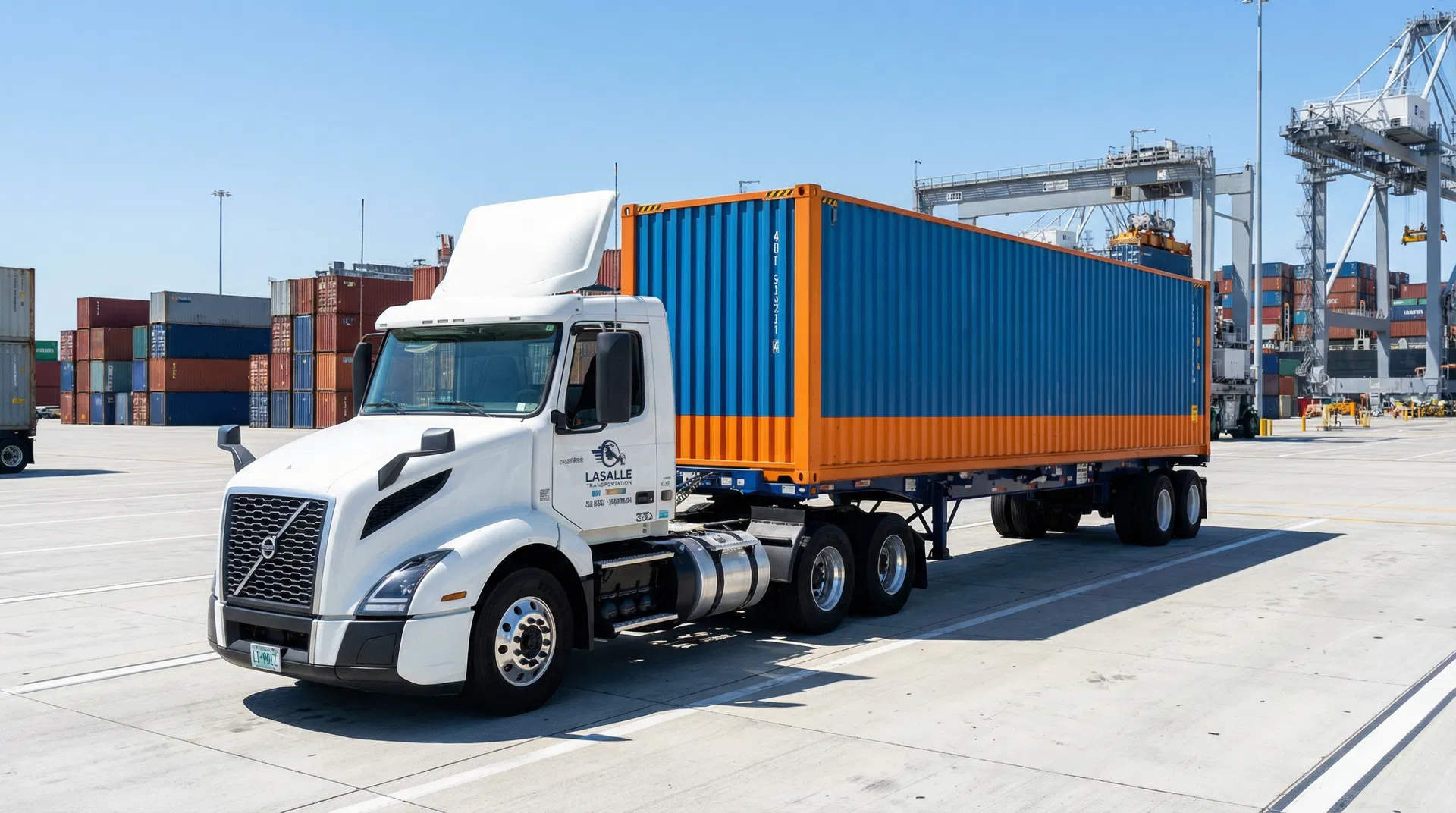
Dry van shipping remains the backbone of freight transportation in the United States. As the most common type of trailer used in the trucking industry, dry vans account for the majority of all freight shipments. For businesses in the Southeast, understanding how dry van shipping works and when to use it can help optimize logistics operations and reduce transportation costs.
A dry van is a fully enclosed, non-temperature-controlled trailer used to transport general freight. The enclosed design protects cargo from weather, road debris, and theft during transit. Standard dry van trailers measure 53 feet in length and can accommodate up to 45,000 pounds of freight, making them suitable for a wide range of products and commodities.
What Can You Ship in a Dry Van?
Dry vans are versatile enough to handle most types of non-perishable freight. Common commodities shipped in dry vans include consumer packaged goods, electronics, building materials, automotive parts, textiles, paper products, and retail merchandise. If your freight does not require temperature control or specialized handling equipment, a dry van is likely the most cost-effective shipping option.
The enclosed design of a dry van provides several important advantages. Your cargo is protected from rain, snow, wind, and sun exposure throughout the entire journey. The sealed trailer also provides security against theft and tampering, which is particularly important for high-value shipments.
Dry Van Shipping in the Southeast
The Southeast United States is a major hub for dry van freight, with distribution centers, manufacturing facilities, and retail operations spread across Georgia, Alabama, South Carolina, Tennessee, and North Carolina. Key freight corridors like I-85, I-75, and I-20 connect major metropolitan areas and provide efficient routes for dry van shipments throughout the region.
For businesses shipping within the Southeast, dry van transportation offers predictable transit times and competitive rates. The region's well-maintained highway infrastructure and relatively mild climate make it an ideal environment for dry van operations year-round.
Choosing the Right Dry Van Carrier
When selecting a dry van carrier, there are several factors to consider. Reliability and on-time performance should be at the top of your list — late deliveries can disrupt your operations and damage customer relationships. Look for a carrier with a strong track record in your specific lanes and a commitment to clear communication throughout the shipping process.
Equipment quality is another important consideration. Well-maintained trailers with clean, dry interiors help ensure your freight arrives in the same condition it was loaded. Carriers that invest in their equipment demonstrate a commitment to professionalism and cargo care.
Work with LaSalle Transportation
LaSalle Transportation LLC provides dependable dry van shipping services across the Southeast. Our fleet of well-maintained trailers and professional coordination ensure your freight is handled with care from pickup to delivery. Contact Michael Moore at 404-200-4276 to get a quote for your dry van shipping needs.